Blog
What Area Codes Are Used In Florida?
Area codes are like the address for your phone number. So, what area codes are used in Florida?
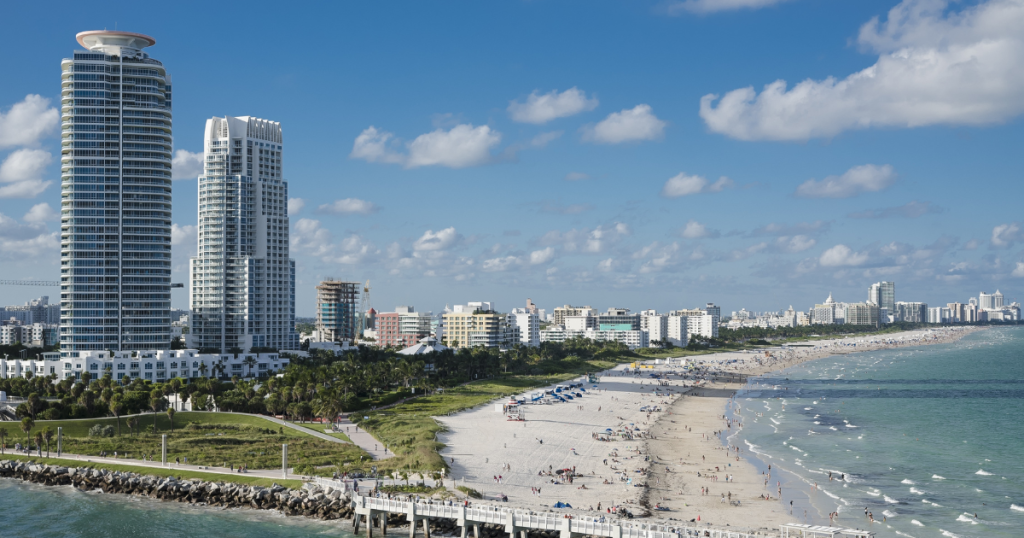
In Florida, there are many different area codes across the state, like 305 in Miami or 813 in Tampa. These codes help route phone calls to the right place. With a growing population, Florida uses several area codes to manage all the phone numbers needed for its residents and businesses.
Here’s a list of some area codes used in Florida:
- 239: Covers the southwestern region including Naples and Fort Myers.
- 305: Serves the Miami-Dade area and the Florida Keys.
- 321: Used in the Central Florida area including Orlando (also used for overlay with 407).
- 352: Includes north-central Florida like Gainesville and Ocala.
- 386: Covers the area of northeastern Florida including Daytona Beach.
- 407: Primarily used in Orlando and its surrounding areas (also used for overlay with 321).
- 561: Serves Palm Beach County including West Palm Beach.
- 727: Used in the area around St. Petersburg and Clearwater.
- 754: An overlay area code for 954, covering Broward County including Fort Lauderdale.
- 772: Covers the Treasure Coast region of Florida including Port St. Lucie.
- 786: An overlay area code for 305, serving Miami-Dade County.
- 813: Includes the Tampa area.
- 850: Covers the Florida Panhandle, including Tallahassee and Pensacola.
- 863: Serves the heartland area, including Lakeland.
- 904: Used in northeastern Florida including Jacksonville.
- 941: Covers the southwestern coast including Sarasota.
- 954: Serves Broward County including Fort Lauderdale (also overlaid by 754).
Why Florida is Booming

Florida’s population is booming, like many other areas in the country such as New York and Texas, and there are several reasons why. First, the state’s warm, sunny weather and beautiful beaches are a huge draw. Many people, especially those retiring, move to Florida to enjoy the outdoors all year round.
Economic opportunities also play a big role in Florida’s growth. The state has a strong job market, especially in industries like tourism, health care, and technology. Major cities like Miami, Orlando, and Tampa are hubs for new companies and jobs. Additionally, Florida does not have a state income tax, which can save individuals and businesses money compared to other states.
The cultural diversity in Florida also attracts many people. The state offers a rich mix of food, music, and traditions from around the world, making it an exciting place to live. Plus, with famous attractions like Disney World and Universal Studios, Florida is not just a fun place to visit but also a great place to call home. These factors together make Florida an attractive option for many people, contributing to its rapid population growth.
As more people move to Florida, the state could run out of available phone numbers in the current area codes. This is because each area code can only have so many phone numbers. To fix this, new area codes are sometimes created to ensure there are enough numbers for everyone. This is not just about keeping phone numbers available but also organizing how calls are managed and ensuring the phone system works smoothly.
What the Future Holds
In the coming years, as Florida continues to grow, we might see new area codes introduced. This helps everyone who moves here get their own unique phone number. Plus, it makes sure businesses can keep expanding without running into issues with phone lines. New area codes are a big part of helping Florida manage its growth and making sure everyone can stay connected.

Blog
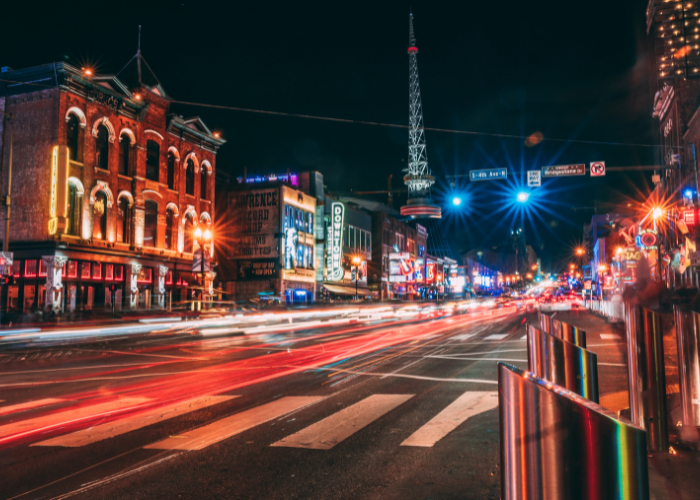
How Many Area Codes Are In Nashville?
How Many Area Codes Are in Nashville?
Nashville, Tennessee, is served by two main area codes: 615 and 629. The 615 area code has long been associated with Nashville and its surrounding areas, symbolizing the city’s roots and identity. However, as the city expanded, the need for more phone numbers grew, leading to the introduction of the 629 overlay area code in 2014. This means both 615 and 629 serve the same region, ensuring there are enough phone numbers for the growing population.
With its rapid expansion, these area codes are crucial for accommodating the increasing number of residents, businesses, and mobile devices. For now, they adequately meet the demand, but Nashville’s ongoing growth might push for additional area codes in the future (similar to other rapidly-grown cities such as New York) .
Why Is Nashville Growing So Quickly?

Nashville’s population is skyrocketing, making it one of the fastest-growing cities in the U.S. A big reason for this is its thriving economy. The city is home to booming industries like healthcare, music, technology, and tourism, which attract businesses and job seekers from across the country. Nashville’s reputation as a business-friendly city with lower costs compared to places like New York or Los Angeles also adds to its appeal.
Beyond work opportunities, Nashville offers a lifestyle that draws people in. Its vibrant music and arts scene, great food, and family-friendly atmosphere make it a magnet for young professionals, families, and retirees. The city’s central location and milder weather add to its charm, making it a top choice for relocation, especially for remote workers looking for affordability and excitement in one place.
As the population grows, so does the need for housing, infrastructure, and services—like phone numbers. This surge in demand could soon push Nashville’s area codes to their limits.
Will Nashville Need New Area Codes?
With the city expanding rapidly, it’s likely Nashville will eventually need more area codes. The introduction of the 629 overlay area code helped meet demand for phone numbers, but ongoing growth may require another solution in the coming years. The rise of smartphones, businesses, and new residents adds to this need.
Although implementing a new area code is a major task, it would reflect Nashville’s dynamic growth. For now, 615 and 629 are keeping up, but with no signs of the city slowing down, new area codes could soon become part of Nashville’s ever-evolving story.
Blog
WhatsApp Error: The phone number you entered is not a valid number in the United States

Are you facing the frustrating “WhatsApp phone number you entered is not a valid number in the United States” error, specifically when using a 212 area code phone number? This typically occurs because the 212 area code is primarily associated with landline numbers in New York City, and WhatsApp often requires a mobile number for verification.
Why is this happening?
WhatsApp’s verification process relies on SMS messages sent to mobile numbers. Since 212 area code numbers are predominantly landlines, they may not be compatible with this verification method.
How to Fix the Error:
To resolve this issue and successfully link your WhatsApp account to a 212 area code number, you can leverage the power of social media platforms like Facebook and Instagram. By adding your 212 number to these platforms, you indirectly validate its authenticity to WhatsApp.
Here’s a step-by-step guide:
1. Add Your 212 Number to a Social Media Platform:
- Instagram:
- Go to your Instagram settings.
- Navigate to “Account Center.”
- Select “Personal Details.”
- Add your 212 number to the “Contact Info” section.
- Facebook:
- Log into Facebook on a computer.
- Click the arrow in the top-right corner.
- Select “Settings.”
- Choose “Mobile” from the left-hand menu.
- If you already have a number, click “+ Add another mobile phone number.”
- Enter your 212 number.
- Select your preferred verification method.
- Enter the confirmation code you receive.

2. Verify Your Number on WhatsApp:
Once you’ve added your 212 number to a social media platform, try verifying it on WhatsApp again. The platform should now recognize your number as valid, allowing you to proceed with the verification process.
Additional Tips:
- Use a Mobile Number: If possible, consider using a mobile number for WhatsApp verification. This is the most straightforward and reliable method.
- Contact WhatsApp Support: For persistent issues, reach out to WhatsApp’s support team for assistance.
- Stay Updated: Keep an eye on WhatsApp’s updates and any changes to their verification policies.
By following these steps and leveraging the power of social media validation, you should be able to successfully overcome the 212 area code limitation and use WhatsApp with your preferred number
Blog
How Many Area Codes Are in California
California, the most populous state in the U.S., has a staggering number of area codes to match its diverse and sprawling geography. Since the beginning of area codes in 1947, the state has long adapted to its growing population and expanding urban centers. California’s vast area has 30 area codes catering to its needs.
Southern California, in particular, boasts a wide array of area codes, reflecting the unique blend of communities, cultures, and histories that define the region.
One of the most iconic area codes is 213 (not to be confused with New York’s 212 Area Code), which originally covered all of Southern California. Today, it is largely associated with the heart of Los Angeles, including Downtown and surrounding neighborhoods.
As population boomed, new area codes like 310 and 323 were introduced to accommodate growing demand. The 310 area code covers areas like Beverly Hills, Santa Monica, and parts of West Los Angeles, while 323 serves neighborhoods such as Silver Lake, Echo Park, and Koreatown. These codes are often associated with the glitz, glamour, and creativity of Los Angeles life. The 424 overlay was later added to 310 to ensure enough numbers for the region.
Orange County

Orange County is another area with distinctive area codes, primarily 714 and 949. The 714 area code covers Anaheim, home to Disneyland, as well as several inland cities, while 949 encompasses the upscale coastal communities like Newport Beach and Laguna Beach. These codes are a reflection of Orange County’s blend of entertainment hubs and luxurious beachside living.
Inland Empire
Further inland, the expansive Inland Empire relies on area codes like 909 and 951. The 909 area includes cities such as Riverside and San Bernardino, known for their growing suburban landscapes and proximity to natural landmarks. The 951 overlay was added later to accommodate the region’s population growth.
San Diego County
Heading south, San Diego County is divided between the 619 and 858 area codes. The 619 code is tied to downtown San Diego and areas closer to the Mexican border, while 858 serves neighborhoods like La Jolla and parts of North County. San Diego’s area codes reflect its vibrant mix of urban, suburban, and coastal communities.
The Future
Each California area code has historical and cultural significance. From the bustling streets of Los Angeles to the serene beaches of Laguna and San Diego, these codes are a glimpse into the state’s ever-evolving identity and growth. With continued demand, California’s area code landscape will likely expand further, cementing its status as a dynamic hub of diversity and innovation.
Blog
How Do Area Codes Work?
Area codes are a staple in telecommunication. Everyone has had to make a long distance phone call at one point or another and when that happens you have to dial in the area code. Area codes have been around since 1947. If you’ve ever been curious about how area codes work, here’s what you need to know.
In the United States

Area codes help phone systems route calls to specific regions, both within the United States and around the world. In the U.S., area codes are three-digit numbers that start each phone number, like (555) 123-4567. Introduced in 1947, they allow calls to connect directly to regions without needing an operator. Major cities, like New York with area code 212 and Los Angeles with 310, often have multiple area codes due to high demand for new numbers. When a single area needs more numbers, new area codes are added, either through “splits,” which create new codes for separate areas, or “overlays,” where new codes are added on top of the existing ones.
In the U.S., the structure of area codes is managed by the North American Numbering Plan (NANP), which keeps phone numbers organized. These area codes begin with a number from 2 to 9, followed by a 0 or 1, with the last digit being any number. Larger cities might have several area codes, like New York, which uses codes such as 212, 718, and 917, while rural areas may only need one. The system’s flexibility helps keep up with the growing need for phone numbers, especially as more people use cell phones.
Beyond the US

Outside the United States, area codes vary widely by country and can look quite different. For example, in Germany, area codes can have two to five digits, depending on the location, and are part of the European Numbering Plan. In the United Kingdom, area codes also vary in length, with some codes shorter or longer based on region and population. This variation reflects the unique needs and systems of different countries, as each has its own way of organizing phone numbers.
In regions like Asia and South America, area codes also follow distinct rules. Japan’s area codes, for instance, range from one to four digits, with larger cities usually having shorter codes to make more numbers available. To dial internationally, callers must enter the country code first, followed by the area code and local number. This structure ensures that calls connect smoothly across countries, keeping global communication organized and efficient.
Blog
How to Make Your Phone Number Private
Maintaining privacy has become a difficult feat ever since the internet and cell phones became widely adopted. It seems as though anybody can be reached at any time…whether they want to or not. For this reason, people are looking for more and more ways to increase their privacy, even going so far as using landline phones over cell phones so that they can minimize their availability.
If you want to avoid unwanted phone calls, particularly from undesirable numbers and area codes, then you have several options, such as blocking numbers (be it on android, iphone, or landline). One of the other best options you can uses to make your phone number private. There are different ways to do this. Here is how you can give yourself the gift of additional privacy.
Going Private

Start by adjusting the settings on your phone. Go to “Settings,” find the “Phone” or “Calls” section, and locate “Caller ID” or “Show Caller ID.” Turning this off hides your number from the person you’re calling, showing “Private” or “Unknown” instead.
If you only want to hide your number sometimes, use a simple code before dialing. In many countries, dialing *67 before the phone number hides your caller ID for just that call. You may need to check the specific code for your country if it’s different.
Call Your Provider
To keep your number private on every call, contact your service provider. They can add permanent caller ID blocking to your account so your number stays hidden by default. Just keep in mind that some people won’t answer calls from private numbers, and emergency services can still view your caller ID if you call them.
2nd Number
Another way to stay private is by using a second phone number through an app. Apps like Google Voice offer alternate numbers, letting you make calls and send texts without revealing your real number. This option is useful if you want more control over who can contact you.
Blog
How to Transfer Your Phone Number To a New Carrier
It used to be that one’s options in phone service providers was quite limited. There were only a few viable options for one’s landline or cell phone services. However, in this day and age, there is now an abundance of phone service providers to choose from.
As a result of that abundance, it’s possible for one to find themselves dissatisfied with the level of quality that their service provider offers. Maybe a plan is too expensive, maybe the plan has hidden costs, or maybe the service that is provided just is not very good. There are plenty of valid reasons why a person may want to switch their service provider, but there is typically one reason why people do not: wanting to keep their phone number.

Why You Don’t Want to Lose Your Number
Changing service providers is one thing, but the prospect of changing phone number can cause headaches because it requires a person to update everyone in their social and professional circle with their new phone number. Maybe you have an area code that you like (like the 212 New York area code). Maybe you are used to having your current number memorized. Or perhaps your number is tied to your business and changing the number would be expensive.
In those cases, changing numbers isn’t a great idea. The good news, however, is that you can keep your present phone number by following these steps.
Transferring Your Number
Transferring your phone number to a new carrier is easy! First, ensure your number can be moved over by asking your new carrier. Most numbers are eligible, but it’s smart to double-check. Make sure not to cancel your old service just yet; an active account is necessary for the transfer.
Next, gather your account details, including the account number and PIN from your current provider. You’ll need these to initiate the switch. You can usually find this information in your account online or by contacting customer service.
Gathering Details
When you’re ready to sign up with the new carrier, provide them with your account details. The transfer process will start, which may take anywhere from a few minutes to a few days. During this time, your phone number will stay active, so you shouldn’t lose service. Sometimes, there’s a brief downtime, but it’s usually quick.
Enjoy Your New Carrier
Once the transfer is complete, your old plan should end automatically. However, double-check with your previous carrier to ensure no unexpected charges remain. If you’re using a new phone, make sure it’s compatible with the new network.
And that’s it! Your number is now fully set up with your new carrier, and you’re ready to enjoy your updated plan.
Blog
How to Block a Phone Number on a Landline Phone
Over the last few years there has been a surprising resurgence in the number of people who are using landline phones. While cell phones are now the dominant form of phone in the world, landlines have become more popular as they are considered a more private and less stimulating form of telephone use. However, for as much as simply using a landline can be less stimulating, there is one problem that remains: Unwanted calls.

Whether you have certain people in your life that you do not wish to speak with on the phone, or if you have found yourself dealing with annoying robocalls the fact remains that unwanted phone calls are a universal problem. Blocking a phone number on a cell phone is simple enough, whether you use Android or iPhone. However, some may find blocking unwanted numbers and area codes to be unfamiliar ground given that landline phones do not have a similar interface to cell phones.
Don’t worry, because here you will learn the important steps to blocking unwanted phone calls on your landline phone.
To block a phone number on a landline, first check if your service provider offers call-blocking features. Many providers offer a service called Selective Call Rejection that lets you block unwanted numbers directly from your phone. Start by picking up your phone and dialing *60 (or a similar code if your provider uses a different one). Once connected, you’ll hear instructions for blocking numbers, usually by pressing a few keys and then entering the unwanted number.
If call blocking isn’t available through your provider, another option is a call-blocking device. These small devices attach to your phone line and can block specific numbers, entire area codes, or even unknown calls. Call-blocking devices are simple to set up and can store a large number of blocked numbers, giving you control over which calls come through without needing extra services from your provider.
Blog
What Is a Phone Number Extension?
In the age of cell phones it seems like it is possible to reach anybody at their specific phone number. However, at some point or another you may have been asked to dial a phone number’s extension. This may have happened when calling a hospital, setting up an appointment, or calling any other kind of large business. Those who remember pre-cell phone days may know what a phone number extension is, but some younger phone users may be unfamiliar. Here is a refresher on phone number extensions and how they work.

What Is a Phone Number Extension?
A phone number extension is a short set of digits added to a main phone number to help route a call directly to a specific person, department, or location within an organization. This system is widely used by businesses, offices, hospitals, schools, and any organization that needs to manage multiple lines or direct calls efficiently.
For instance, imagine a company with a main number like (555) 555-4567 (obviously, this is a fake number). When you call this number, you might hear an automated voice asking you to “press 1 for sales,” “press 2 for customer service,” or “enter the extension of the person you want to reach.” Each department or employee would have a unique extension, like 101 for sales, 102 for customer service, and so on. Instead of dialing a completely different number for each person or department, you use the main number, and then the extension connects you directly to the specific line.
It needs to be understood that a phone number extension is not the same thing as an area code, but they operate in a similar manner. An area code helps you call a specific area in a state, such as the 212 New York area code. An extension enables you to call a specific number for a division or department in an organization that shares a single phone number.
Why Are They Useful?
Extensions are convenient for several reasons:
Efficiency
They save time for both the caller and the business. Instead of going through a central operator or receptionist, callers can quickly reach the right person or department using an extension.
Cost-Effectiveness
Instead of setting up multiple phone lines, businesses can use a single main number and add numerous extensions. This reduces the need for many separate lines and saves on phone service costs.
Professional Appearance
Having a phone system with extensions gives a professional and organized impression, making it clear that the business is well-structured and can handle customer calls efficiently.
Privacy and Security
Extensions help protect privacy. Employees or team members don’t need to share their personal phone numbers; they can use their assigned extension within the company’s main line.
Extensions can also be used for other purposes, like reaching conference rooms, voicemail boxes, or special services within a business. In short, phone number extensions are a practical and efficient way for organizations to manage calls, improve communication, and maintain a professional image.
Blog
How to Buy a Phone Number
These days, almost everyone has a phone number, and that’s led to a decrease in available numbers over the years. Despite this, people still buy phone numbers for various reasons. Many want a memorable or unique number, especially for businesses. Having a number that’s easy to remember, like one with a pattern or that spells out their business name, helps attract customers.
Why Buy a Phone Number?
Businesses often pick numbers that fit their brand or local area, making them easier to market and giving them a professional appearance. Some people buy numbers to separate their personal and business calls, ensuring privacy when offering products or services. Some want a phone number with a desirable area code, such as a New York area code. Others might buy virtual numbers to create a local presence in different regions, helping businesses connect with customers in multiple locations. Buying a phone number can make communication simpler, more professional, and private.
How to Buy a Phone Number
Getting a phone number is simple! Here’s how you can do it:

First, decide what type of number you want. Are you looking for a local number, a toll-free option, or a custom one like 1-800-FLOWERS? Local numbers work well for personal use or small businesses, while toll-free numbers give bigger companies a polished, professional look. You might also want a number with a specific area code, like one from New York.
Next, choose a provider. You can buy numbers through cell carriers like AT&T or Verizon, VoIP services such as Google Voice or Skype, or virtual phone services like Grasshopper or RingCentral. Pick a provider that offers the features you need, like voicemail, texting, or call forwarding.
Finally, sign up for a plan. Some providers offer flexible pay-as-you-go options, while others have monthly or yearly plans. Search for a number that suits your needs, complete the setup, and you’ll be ready to use your new phone number in no time!